Sanitation That Reaches Upper Work Levels
High-Rise Portable Toilets/Lift Toilets in Sioux Falls for multi-story construction where ground-level facilities create productivity loss and safety concerns
Workers on upper floors of multi-story construction face a choice between descending to ground level repeatedly or risking OSHA violations by delaying restroom breaks. High-rise portable toilets from Lacey Rentals Inc attach directly to building floors or lift platforms, positioning functional sanitation where crews actually work rather than forcing multiple daily trips down ladders, stairs, or scaffolding systems. This matters on projects where vertical access consumes ten to fifteen minutes per round trip, multiplied across multiple workers and break periods throughout each shift.
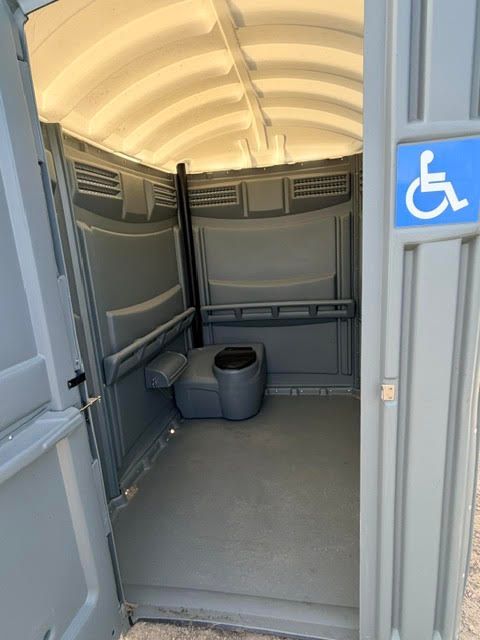
These specialized units include crane-lifting attachment points rated for the unit's loaded weight, reinforced bases designed to rest securely on steel beams or concrete decking, and waste tanks sized to minimize the frequency of crane-assisted removal. The compact footprint fits within standard floor layouts without blocking material staging areas or obstructing equipment paths that change as construction progresses through each level.
Arrange a site review to confirm crane access, floor load capacity, and the lifting schedule that coordinates with your construction timeline.
How High-Rise Units Function in Multi-Story Projects
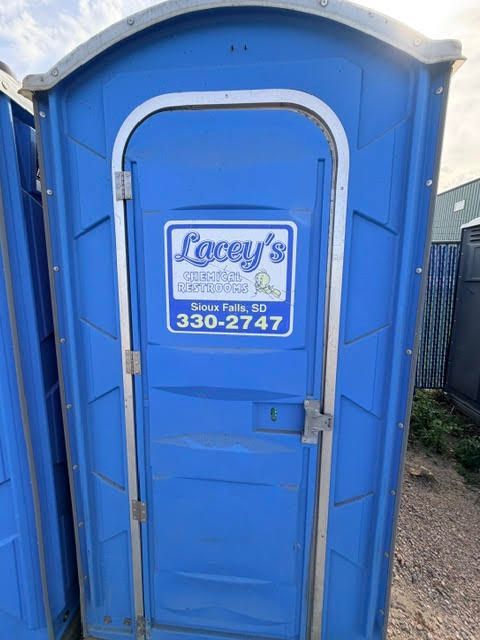
Installation requires crane time to lift the unit to the designated floor, where it's positioned on reinforced decking or structural beams capable of supporting the combined weight of the unit, waste tank, and users. Lifting straps attach to certified anchor points welded into the unit frame, and rigging must follow load-rated specifications to prevent shifting during vertical transport. Once positioned, the unit remains stable without additional anchoring when placed on level surfaces, though high-wind conditions on open upper floors may require temporary tie-downs to prevent movement.
Your crew gains immediate restroom access on their working floor, eliminating the downtime and fall risk associated with repeated vertical trips during each shift. Lacey Rentals Inc coordinates waste removal when tanks reach capacity, which typically occurs weekly depending on crew size, with crane scheduling arranged to coincide with material lifts or other planned crane operations to minimize equipment costs.
High-rise units function best on projects where floors are enclosed enough to protect the unit from direct weather exposure but still under active construction, meaning interior plumbing remains unavailable. The waste tank capacity and servicing frequency must align with crane availability, since ground-based service trucks cannot reach units positioned on upper levels.
Common Questions About Elevated Sanitation
Multi-story jobsites introduce logistical considerations that differ significantly from ground-level portable toilet use, particularly regarding crane coordination and structural placement.
What floor load rating is required for safe placement?
The unit and full waste tank combined typically weigh between 800 and 1,200 pounds, so the floor section must be rated to handle that concentrated load plus a safety factor. Placement directly over structural beams or columns distributes weight more effectively than positioning mid-span on decking alone, which matters when working with pre-cast systems or metal deck installations.
How is waste removal handled from upper floors?
A crane lowers the unit to ground level when the holding tank reaches capacity, at which point standard vacuum truck servicing occurs before the unit is lifted back to the working floor. Some projects schedule unit rotation, where a freshly serviced unit is lifted while the full unit descends, minimizing the time crews lack restroom access on their floor.
Why do high-rise units cost more than ground-level rentals?
The units themselves include reinforced frames and certified lifting points that standard units lack, plus rental rates account for the crane time required during delivery, removal, and each servicing interval. Projects in Sioux Falls with multiple high-rise buildings often coordinate crane schedules across sites to reduce individual project costs when the same crane handles lifts for several jobs in sequence.
When does a project need high-rise units instead of ground-level access?
Projects above three stories typically see productivity gains that justify the additional cost, since workers spending twenty minutes per restroom trip multiply that time loss across the entire crew throughout each day. OSHA requires reasonable restroom access, and repeatedly descending ladders or scaffolding introduces fall hazards that high-rise units eliminate entirely.
What happens during severe wind conditions on upper floors?
Units are designed to remain stable when positioned on level surfaces, but wind speeds above 35 miles per hour on exposed floors may require temporary tie-downs to structural elements or temporary removal to lower levels until conditions improve. Sioux Falls experiences spring wind events that occasionally necessitate this precaution on fully exposed upper floors lacking perimeter protection.
Lacey Rentals Inc manages the logistics of crane scheduling, structural placement guidance, and coordinated servicing to keep upper floors equipped with functional sanitation. Contact our team to review your building specifications and establish the lifting plan that fits your construction schedule.