Reliable Sanitation for Active Jobsites
Standard Portable Toilets in Sioux Falls for construction crews, outdoor events, and projects requiring consistent site access
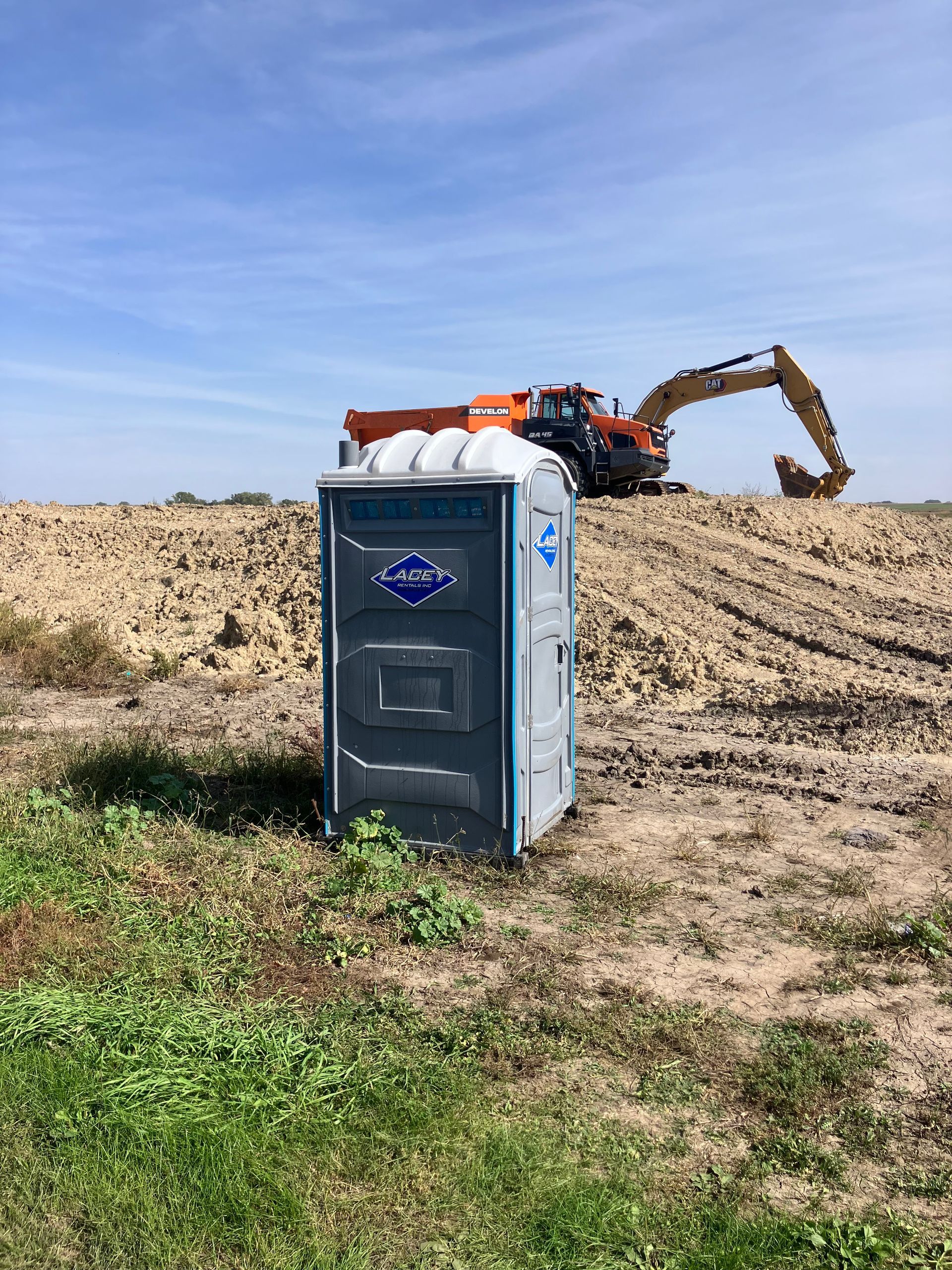
Construction sites and outdoor events share a basic requirement: functional sanitation that works regardless of location or existing infrastructure. Lacey Rentals Inc provides standard portable toilets in Sioux Falls designed for frequent use in environments where permanent facilities are unavailable or impractical. These units address the immediate need for reliable restrooms that remain accessible throughout the workday or event duration, regardless of weather conditions or site layout constraints.
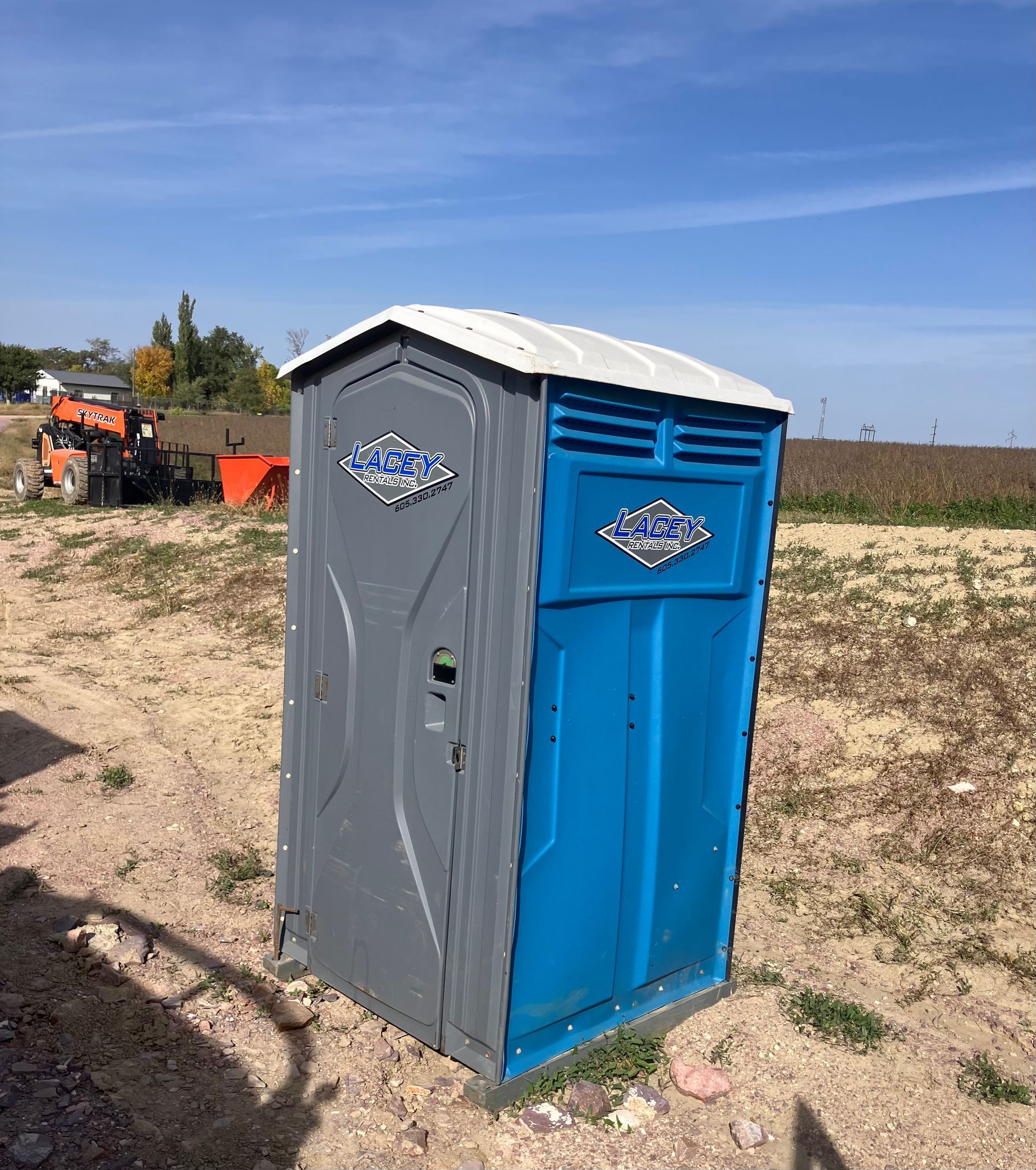
Standard units feature a self-contained waste holding tank, ventilation system, and non-slip flooring suitable for jobsite conditions. Each unit includes a urinal, toilet paper dispenser, and occupancy latch designed to withstand the wear patterns common to construction environments and multi-day public events. The holding tank capacity accommodates multiple users between service intervals, which matters on sites where daily servicing is impractical or cost-prohibitive.
Schedule a site evaluation to determine the appropriate number of units based on crew size and project timeline.
What Proper Unit Placement and Servicing Include
Unit placement depends on site access for service trucks, ground stability, and user convenience. The base needs level ground to prevent tipping, and the door should face away from prevailing winds to manage ventilation. Service intervals typically range from once weekly for small crews to twice weekly for high-traffic sites, with waste removal, tank cleaning, and restocking of supplies included during each visit.
You'll notice units remain odor-controlled between services when ventilation functions properly and waste levels stay below capacity thresholds. The holding tank indicator shows when servicing is needed, preventing overflow situations that disrupt site operations. Units are designed to remain stable during South Dakota wind events when placed on appropriate surfaces, though frozen ground in winter may require alternative anchoring methods to maintain stability.
Standard units work best for projects lasting weeks to months, where daily user counts remain predictable and site access allows regular service truck entry. They do not include interior lighting, climate control, or running water, which matters for overnight events or winter jobsites where those features become necessary rather than optional.
Questions About Site Sanitation Planning
Projects vary in duration, crew size, and accessibility, which affects how portable sanitation is planned and maintained throughout the work period.
How many units does a typical construction crew require?
One unit per ten workers for an eight-hour shift is the standard calculation, though that ratio increases if the project involves heavy physical labor or if workers are consuming more fluids in summer heat. Jobsites in Sioux Falls during June through August often require additional capacity or more frequent servicing due to temperature-related increased usage patterns.
What happens if ground conditions prevent stable placement?
The base requires firm, level ground to prevent tipping, so soft soil, gravel, or uneven terrain may need wood planks or temporary platforms placed underneath to distribute weight and create a stable foundation. Frozen ground in winter months can actually provide better stability than spring thaw conditions when soil becomes saturated and unstable.
How does servicing work on active construction sites?
Service trucks need clear access to each unit, typically requiring a path at least eight feet wide and overhead clearance of ten feet for the vacuum hose used during waste removal. Servicing takes approximately ten minutes per unit and includes waste tank pumping, interior cleaning, and restocking of toilet paper and hand sanitizer.
When should units be repositioned during a project?
Units often need relocation as construction progresses and site layout changes, particularly when excavation work, material staging, or equipment placement blocks original unit locations. Most rental agreements allow for repositioning during scheduled service visits without additional fees if access remains available.
What factors increase the needed service frequency?
High daily user counts, summer temperatures, and projects involving concrete or dusty work tend to require more frequent servicing because waste tanks fill faster and interior surfaces accumulate residue more quickly. Food service events and festivals also generate higher usage rates than construction sites with similar attendee counts.
Lacey Rentals Inc coordinates delivery, placement, and ongoing service schedules based on your project timeline and site requirements. Request a consultation to establish the appropriate unit count and service frequency for your specific work conditions.