
Handwashing Where Water Lines Don't Reach
Portable Sinks/Handwash Stations in Sioux Falls for food service areas, construction sites, and outdoor events requiring compliant hand hygiene facilities
Health codes mandate handwashing facilities wherever food is prepared or served, and OSHA requires hand hygiene access on jobsites where workers encounter contaminants. Portable sinks and handwash stations address situations where permanent plumbing is unavailable but hand hygiene remains legally required and practically necessary. Lacey Rentals Inc provides self-contained units with fresh water tanks, waste collection systems, and soap dispensers designed for outdoor and temporary locations, from festival food vendor areas to remote construction sites where the nearest building-based sink sits hundreds of feet from the work area.
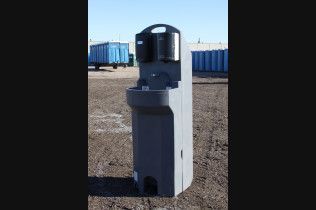
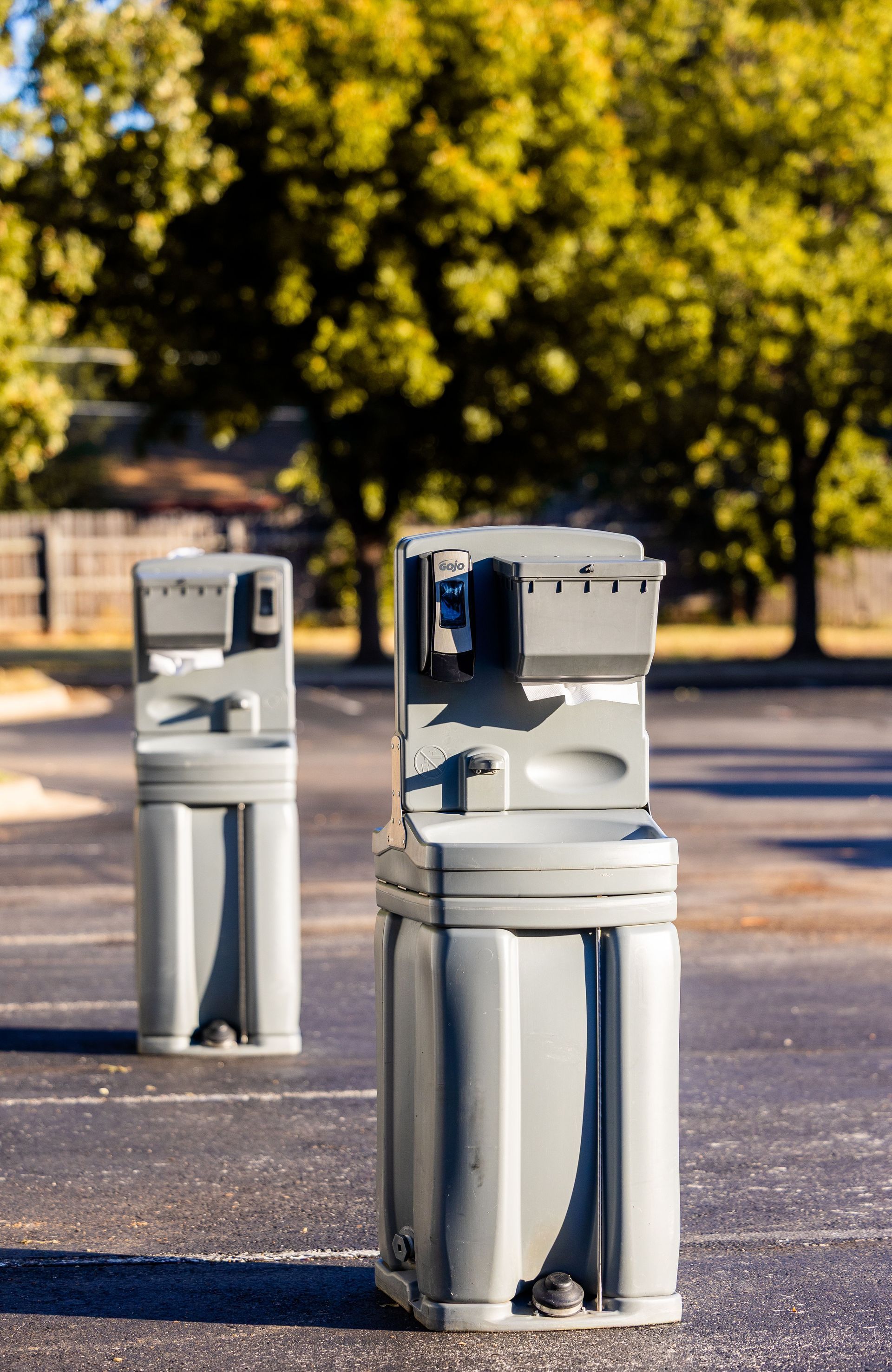
These stations include foot-pump or hands-free activation systems that eliminate the need for electrical power, fresh water reservoirs sized for multiple users between refills, and waste tanks that capture used water for proper disposal. Soap dispensers mount directly on each unit, and paper towel holders keep drying materials accessible and protected from wind and moisture. The self-contained design means no utility connections are required, allowing placement anywhere firm ground exists without dependency on proximity to water lines or power sources.
Arrange a site consultation to determine the appropriate number of stations based on user count, activity type, and health code requirements specific to your operation.
Why Proper Handwashing Access Works for Compliance
Food service operations require handwash stations within a specified distance of food preparation areas, with regulations typically mandating placement no farther than 20 feet from where food is handled. Construction sites need hand hygiene access near portable toilets and before meal breaks, particularly when work involves materials that leave residue on hands or when tasks generate dust or chemical exposure. The stations operate via foot pumps that allow hands-free water flow, preventing recontamination after washing and meeting no-touch operation standards that health inspectors verify during site reviews.
You'll notice users can complete proper handwashing without leaving the immediate work or service area, which matters for maintaining productivity and ensuring compliance rather than relying on distant facilities that workers often skip due to inconvenience. Fresh water capacity typically ranges from five to ten gallons depending on unit size, with waste tanks sized proportionally to eliminate overflows between service visits when usage remains within planned parameters.
Portable sinks function best when positioned on stable surfaces that prevent tipping during use, since foot-pump operation generates lateral force that can shift units placed on soft ground or uneven terrain. Winter use in Sioux Falls requires either indoor placement or heated units to prevent freeze damage to water tanks and supply lines when overnight temperatures drop below freezing, which occurs regularly from November through March.
Common Questions About Portable Handwashing
Hand hygiene requirements vary by industry and activity, affecting how portable sinks are selected, positioned, and maintained throughout projects or events.
What differentiates a handwash station from a portable sink?
Handwash stations are designed specifically for hand hygiene compliance, featuring foot-pump or sensor activation and configurations optimized for quick, frequent use by multiple people. Portable sinks include those features but may also offer larger basins and higher water capacity for tasks beyond hand hygiene, such as dishwashing at catering events or equipment cleaning on construction sites where tools accumulate residue during use.
How many users can one station accommodate before servicing?
A ten-gallon fresh water tank typically supports 75 to 100 hand washes before requiring refill, assuming users follow standard handwashing duration and water flow guidelines. Food service events with 300 attendees over six hours often require multiple stations or scheduled servicing to maintain continuous availability, particularly during peak meal service periods when vendor staff wash hands repeatedly between tasks.
Why do health inspectors specifically check handwash station placement?
Regulations require handwashing facilities within direct line of sight and immediate access from food preparation areas, since compliance depends on convenience that encourages actual use rather than theoretical availability. Stations positioned too far away, behind barriers, or outside the food preparation zone fail inspection regardless of the station's functional quality, because placement distance directly predicts whether staff will actually wash hands at required intervals.
When do foot-pump models become inadequate for an operation?
High-volume food service or medical applications sometimes require sensor-activated or hands-free models instead of foot-pump versions, either due to accessibility requirements or because foot-pump operation proves impractical when users wear certain footwear or when rapid, repeated activation is needed. Sensor models require electrical power or battery systems, adding complexity but improving throughput during peak usage periods at large events.
What happens to portable sinks during overnight temperature drops?
Water freezing inside tanks and supply lines can crack components and render units non-functional, so units must either be moved to heated storage overnight or winterized with non-toxic antifreeze solutions when temperatures in Sioux Falls drop below 32 degrees. Multi-day winter events or cold-season construction projects require heated handwash models or daily winterization protocols to maintain continuous operation despite overnight freezing conditions.
Lacey Rentals Inc provides handwash stations configured for your specific compliance requirements, with servicing schedules that maintain fresh water availability and waste capacity throughout your project or event. Reach out to discuss your operation's hand hygiene needs and site layout to identify the appropriate station type and placement strategy.